
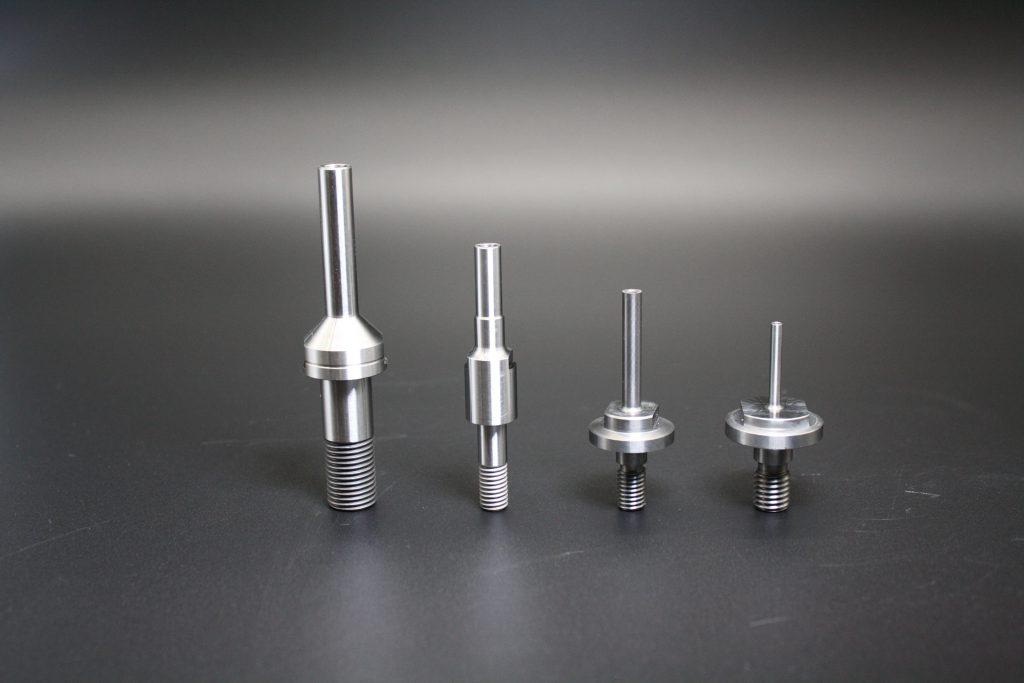
When machining hard-to-cut metals like stainless steel or titanium, small variables can make a big difference to the final result. One often-overlooked tool that plays a major role in surface finish is the carbide-tipped centre. Built for strength and precision, these centres are vital for achieving smooth, accurate finishes on challenging materials.
Why Surface Finish Matters
Surface finish isn’t just about aesthetics. In industries like aerospace, medical, and precision engineering, surface quality affects:
- Part performance (e.g. wear resistance, friction)
- Assembly fit
- Fatigue strength
- Product lifespan
Even a slight misalignment at the tailstock can introduce chatter, vibration, or tool deflection – all of which ruin the surface finish. That’s where carbide-tipped centres come in.
The Role of Carbide-Tipped Centres in Surface Quality
- Superior Hardness for Consistency
The carbide tip resists deformation under high pressure and temperature, maintaining a sharp point and consistent rotation. This helps avoid micro-movements that would otherwise mark or disrupt the surface. - Reduced Vibration
Carbide centres offer greater rigidity compared to steel-only options. This added stiffness absorbs less energy during turning, resulting in a more stable setup and smoother cut. - Precision Contact
The precise tip ensures concentricity between the workpiece and spindle. When the workpiece rotates truly centrally, the cutting tool performs with maximum accuracy – minimising surface irregularities. - Longer Tool Life = More Consistency Over Time
Unlike steel, carbide doesn’t blunt or wear quickly. This means the surface finish remains consistent from the first part to the hundredth, reducing the need for post-machining work or polishing.
Why It Matters More with Tough Materials
Materials like stainless steel and titanium are notoriously difficult to machine due to:
- Work hardening
- High cutting forces
- Heat build-up
- Tendency to spring away from the tool
These factors magnify any tool-related imperfections. If the centre shifts, wears, or vibrates – the surface finish suffers. Carbide-tipped centres resist all of these stresses, holding firm while the cutting tool does its job.
Choosing the Right Centre for the Job
- Use a live centre for high-speed work to reduce friction.
- Use a dead centre for heavy-duty, low-RPM machining.
- Always match the centre angle (e.g. 60° or 90°) to your application.
At Trio Tools, we supply carbide-tipped centres designed for accuracy, stability, and long-term reliability—especially for demanding materials.
Conclusion
If you’re machining stainless steel, titanium, or other hard materials, upgrading to carbide-tipped centres is one of the simplest ways to improve your surface finish. They offer the rigidity and wear resistance required to maintain consistent performance under pressure.
Looking for high-performance centres? Contact Trio Tools today to find the right fit for your application.